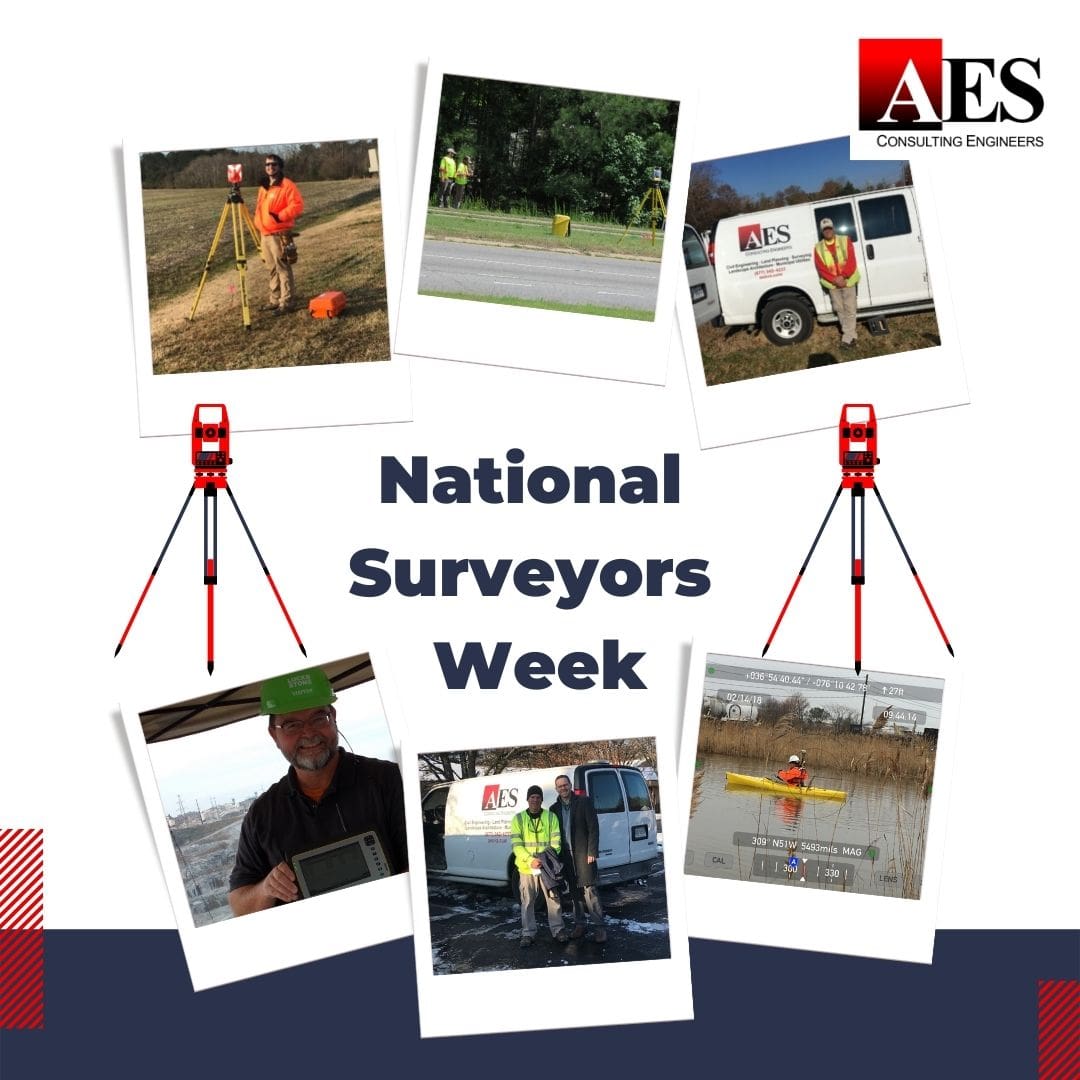
A Day in the Life of a Surveyor: Equipment and Approaches


Surveying professionals play a vital role in our constructed environment, often working relentlessly behind the scenes to ensure that land parcels are accurately measured, property lines are clearly established, and development initiatives proceed smoothly. Whether you're a property owner, a potential buyer, or participating in a construction project, understanding what surveyors do and how they work can save you hours and costs while preventing potential issues and misunderstandings.
In this article, we will explore a typical day of a surveyor, showcasing the essential tools and techniques they use in their work. From classic methodologies to contemporary advancements like GPS and drone technology, surveyors employ a wide array of strategies to deliver precise measurements and important insights. So if you've ever thought about the importance of land surveys or when you might need to hire a certified surveyor, read on to gain a full understanding of this crucial profession.
Understanding the Importance of Land Surveyors
Surveyors perform a critical part in the real estate and building industries by providing necessary information about property lines, topography, and measurements. Their expertise is essential for property owners, property developers, and builders alike. By conducting comprehensive assessments, surveyors help ensure that all projects comply with regional laws and zoning laws, hindering costly misunderstandings and legal disputes. Their work lays the foundation for knowledgeable choices, making them indispensable team members in any property transaction or building project.
One of the main responsibilities of a surveyor is to carry out property line surveys that set the official property lines for property owners. This procedure helps to avoid disputes between adjacent property owners and can be important during transactions or shifts of real estate. Additionally, surveyors conduct various types of land surveys, such as topographic surveys, which provide comprehensive information on the landscape, including inclines and heights. This information is crucial for architects and construction professionals when designing projects and can significantly influence construction designs.
Contemporary advancements has transformed the field of surveying, allowing surveyors to utilize tools such as GPS and unmanned aerial vehicles for enhanced productivity and accuracy. These improvements not only accelerate the survey process but also improve the standard of the data collected. As the industry continues to evolve, professionals remain dedicated to adjusting their methods and technologies to provide the most accurate and reliable services to their customers, further highlighting the importance of their role in the construction and property industries.
Types of Property Surveys
Property assessments come in several types , all serving a unique purpose and catering to specific requirements. level 2 homebuyers survey of the primary types is the boundary survey, that determines the exact positions of a property's boundaries . This type of survey is crucial for land owners to avoid disputes with neighbors and ensure that they are constructing or changing structures within their lawful limits. Boundary surveys often involve meticulous measurements and archival research into property titles and local regulations.
Another significant type is the terrain survey, that maps the shapes and characteristics of the land, such as elevations and depressions. This survey is vital for construction projects as it helps architects and engineers understand the layout of the land, thus enabling for better design and planning. The topographic survey highlights natural and man-made features such as trees, water bodies, and buildings, providing a comprehensive overview that aids effective land use.
For commercial real estate transactions , ALTA/NSPS surveys are often required . These surveys follow established standards set by the ALTA and the National Society of Professional Surveyors . They provide detailed data about the property, such as boundary lines, easements, and encroachments, making them essential for buyers and lenders. Understanding these various forms of surveys enables property owners and developers to make informed decisions, ensuring that all legal and practicalities aspects of land use are thoroughly evaluated.
The Surveying Process
This surveillance process usually commences by an preliminary consultation between a surveyor and a property owner. During the initial meeting, surveyors consider the purposes for the surveying process, whether it’s to achieve verifying boundaries, real estate improvement, or building design. The surveyors obtain key information including the land’s official description, any existing surveys, and particular needs from municipal regulations. This phase stage holds important in developing clear dialogue and understanding the task's extent as well as details.
After the consultation has been concluded, a land surveyor progresses to a fieldwork phase. At this point, the surveyor use various instruments and methods, including GPS tools, total stations, and sometimes unmanned aerial vehicles, to collect accurate data of the property. The surveyor analyze the terrain, landform, along with current buildings to produce a current and accurate depiction about the land. This phase might additionally involve defining boundaries with stakes or banners for provide clear understanding of the property boundaries, that is essential for prevent disputes.
After collecting the essential data, a land surveyor assembles their results in a comprehensive report. This documentation contains comprehensive maps, plots, and textual descriptions which illustrate this property's attributes and possible concerns. The final documentation holds important for property holders, since it often works like an legal record which is is essential for obtaining permits, settling disputes, plus to make informed choices about their land. This clarity along with precision in this final documentation emphasize the significance of hiring a qualified professional land surveyor for all land-related task.