Bridging the Gap: Creative Solutions in Teeth Implants


Dental prosthetics have transformed the way we approach edentulism, offering patients a long-lasting and natural-looking solution to regain their grins and confidence. As more individuals look for effective ways to replace missing teeth, understanding the details of dental implants and rehabilitation becomes crucial. This article aims to bridge the gap between modern techniques and tradition by exploring various aspects of dental implants, from the preliminary consultation to the long-term care required for favorable outcomes.
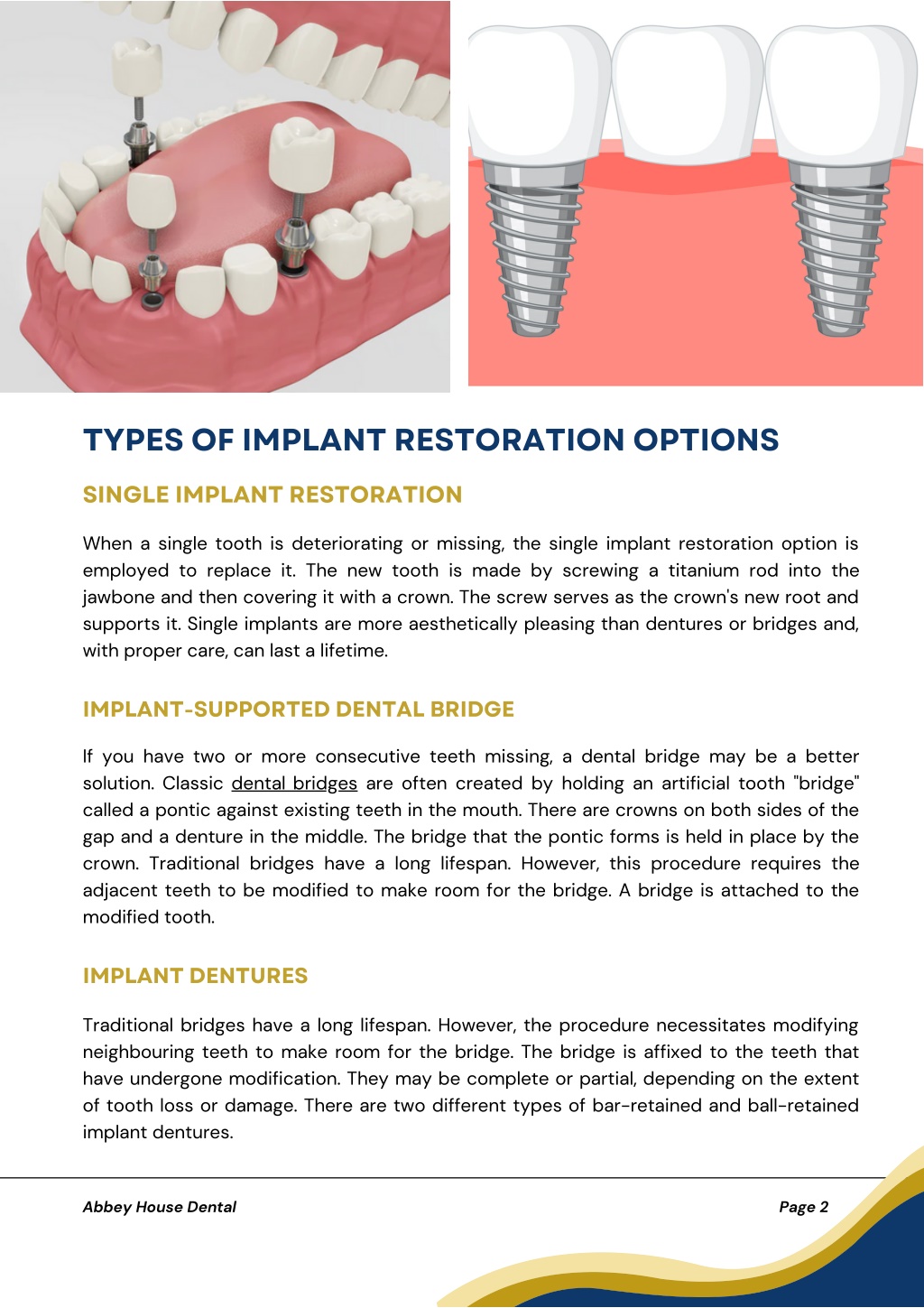
In this detailed guide, we will investigate important details about dental implants, compare various options such as dental implants versus bridges, and enumerate the step-by-step processes involved. We will also discuss common queries, including the post-surgical healing after surgery and the developments that have enhanced these procedures. Whether you are a candidate for dental implants or simply exploring your options for tooth restoration, this article will provide important perspectives to help you make informed decisions about your dental health.
Understanding Dental Prosthetics
Implants are titanium rods which are surgically and carefully inserted within the jawbone serving as artificial roots for artificial teeth. They provide a secure foundation for permanent or temporary teeth that are integrate seamlessly with your existing teeth. The main parts of dental implants consist of the implant body, the connector, and the cap, which work together to get back use and appearance to your smile.
One of the primary benefits of dental implants is their ability to bond with the jawbone through a method called osseointegration. This method not just ensures that the implant remains well-founded but also helps to preserve the bone structure over time, preventing the bone loss that often happens with lost teeth. Dental implants can be used to replace a solitary tooth, multiple teeth, or even hold up a complete arch of dental prosthetics.
Candidates for dental implants typically include individuals that are in good overall health, have sufficient bone density, and are dedicated to upkeeping proper oral hygiene. While dental implants can be an optimal solution for many, a few patients may require initial procedures such as bone grafting to improve their suitability for the treatment. Consulting Click for more qualified dentist or oral surgeon can assist figure out the most effective approach to attain a positive outcome.
The Process and Healing Journey
The dental implant procedure commences with an extensive evaluation and consultation to evaluate suitability. Once options are explored, the dentist will develop a tailored treatment plan that may involve imaging techniques, like X-rays or 3D scans, to ensure accurate placement of the implant. Initially, the process includes the surgical placement of the implant into the jawbone, acting as a foundation for the new tooth. The procedure is performed under local anesthesia for comfort, and the procedure typically takes one to two hours, depending on the difficulty.
After the surgery, patients may experience swelling, bruising, or mild discomfort, that can be alleviated with medication. The healing process after dental implant surgery typically takes approximately three to six months for the implant to bond with the bone. This is referred to as osseointegration. During this healing phase, patients are advised to follow a soft food diet and maintain meticulous oral hygiene to prevent any complications. Regular follow-up appointments are crucial for monitoring the healing journey and catching potential issues early.
When the implant is successfully bonded with the jawbone, the next stage includes putting in the abutment and crown. This is where the restoration comes into play, offering the aesthetic and practical features of the dental implant. Patients receive guidance on caring for their implants at this point, to ensure a seamless recovery and excellent outcomes. With diligent care and maintenance, dental implants can endure for numerous years, significantly improving oral health and overall confidence.
Benefits and Considerations
Implants offer numerous advantages for individuals seeking to regain their smiles and confidence. One of the main benefits is their longevity. In contrast to dental fixtures or dentures, which may require replacement every few years, implants are designed to last a lifetime with adequate care. They also preserve the bone structure, helping to maintain facial aesthetics and avoid further atrophy, which often occurs with tooth loss. Furthermore, dental implants operate like real teeth, allowing individuals to savor their preferred foods without concern about unstable restorations.
On the other hand, there are important considerations to consider when thinking about dental implants. The procedure often requires sufficient bone density for effective placement, and candidates may need bone grafting if there is substantial bone loss. The initial recovery period can vary, and it may take a few months for the implant to fully integrate with the jawbone before the ultimate restoration is placed. Additionally, the cost of dental implants can be more expensive compared to other alternatives, and it's essential to weigh the long-term benefits against the initial investment.
Selecting the appropriate dentist for implant restoration is vital for achieving optimal results. It's necessary to research professionals with expertise in implant dentistry and to discuss all options, including cutting-edge technologies such as 3D imaging that can enhance treatment planning. Patients should also consider their overall health, as certain medical conditions may affect implant success. By comprehending both the benefits and considerations, individuals can make informed decisions about their dental health and find the perfect solution for their specific needs.