Ditch the Cinema: How to Install a Residential Theatre As a Professional


Constructing a personal home cinema could revolutionize your movie-watching experience to be something truly remarkable. Imagine viewing the latest blockbuster as well as the big game from the comfort of your own home, with a setup that rivals some of the best theaters. The process might seem daunting in the beginning, however if you have the right guidance, establishing a home cinema is a venture anyone is able to tackle.
In this ultimate guide to home cinema installation, we will walk you through all you need to know to create a professional quality setup. From deciding whether to tackle https://www.homecinemashertfordshire.co.uk/best-home-cinema-installation-hertfordshire/ on your own or hire a pro, to designing the perfect space and picking the right equipment, we'll explore all the essential aspects to help you steer clear of common pitfalls and ensure informed choices. Whether you’re in a cozy apartment or a spacious living room, you’ll find useful tips and insights that will elevate your watching experience to greater heights. Get ready to convert your space into the ultimate entertainment hub.
Types of Home Cinema Installations
When initiating a home cinema installation task, the initial decision to make is the type of configuration that most meets your needs and preferences. The most popular types include exclusive movie theaters, media spaces, and dual-use rooms. A specialized theater usually features a dark, soundproofed room furnished with premium projection systems and acoustically optimized walls to create an engaging experience. In contrast, a multifunctional space can function multiple functions, enabling casual family cinema experiences as well as different functions like gaming or hosting guests.
Flexible environments are more and more favored due to their adaptability. These installations generally use adaptable seating, permitting the area to easily shift between a home cinema to a living room or gaming space. Designing a dual-use area necessitates careful consideration of seating arrangements, screen location, and audio setup to secure ideal functionality for multiple purposes. Homeowners typically find this type of installation to be the most functional, as it fits seamlessly into their lifestyle.
At the end of the day, the choice of installation type hinges on your area and how you intend to use it. While dedicated theaters provide an exclusive cinematic experience, entertainment rooms and flexible areas offer more flexibility, making them suitable for families or those with diverse entertainment requirements. Evaluating your lifestyle and preferences will help you find the best home cinema installation that improves your viewing enjoyment.
Crucial Equipment for Home Cinemas
When initiating a home cinema installation, the first item on your list should be the display system. Options typically include projection systems and big televisions. Projectors are perfect for creating a cinematic atmosphere, offering large images that can fill whole walls. When choosing a projector, consider the resolution, brightness, and throw distance, as these factors significantly influence the viewing experience. Alternatively, high-definition televisions have advanced significantly, often providing excellent picture quality and ease of installation, making them suitable for smaller spaces.
Sound systems is equally crucial to mimic the immersive atmosphere of a theater. A surround sound system, which includes various speakers placed around the room, will surround the viewer in sound. Choices range from full-scale home theater sound systems to soundbars that require little setup but still deliver excellent audio quality. When determining your sound requirements, factor in the room layout and size, as well as your personal listening preferences to find the best sound solution for your space.
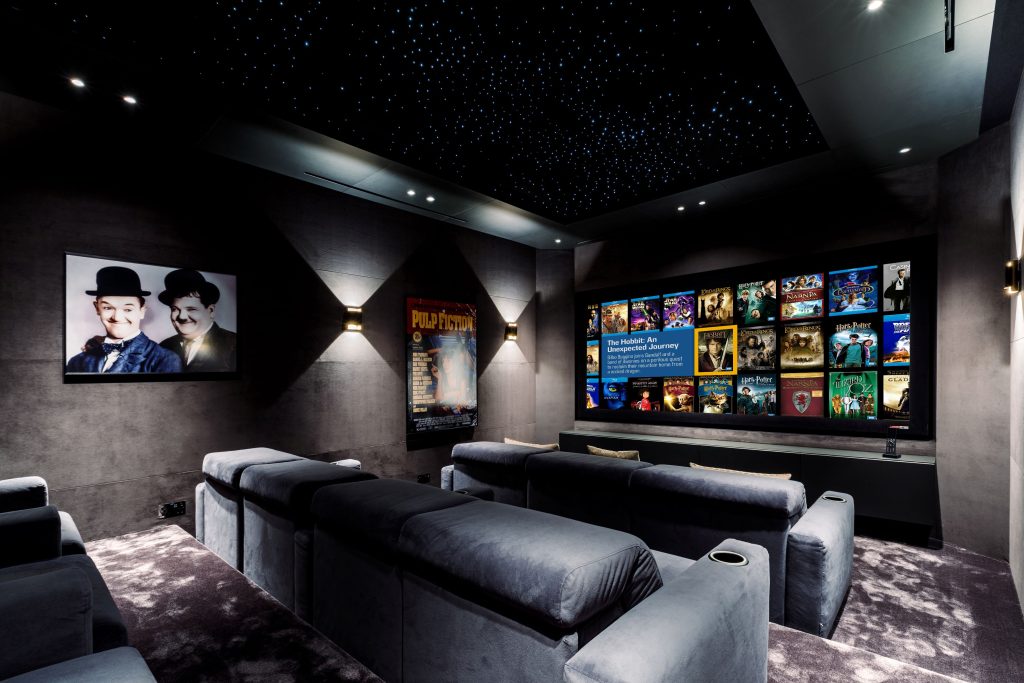
Finally, consider extra components such as streaming devices, remote controls, and gaming consoles, which can enhance functionality and entertainment options. High-quality cables and connectors are important for preserving signal integrity, so invest in reliable wiring solutions. Additionally, home automation can streamline control of your complete setup, allowing for an easy transition between different devices and augmenting your overall experience.
Setup Method and Optimal Approaches
The setup of a residential cinema begins with thorough preparation and a clear installation process. First, gather all essential components, including the projector, display, audio speakers, and media receiver. Create a detailed layout of your space that includes the placement of each component. This should factor in sightlines, speaker positioning, and nearness to power sources. A thoughtfully planned layout minimizes problems during setup and enhances the overall viewing experience.
During the configuration, it is important to pay careful attention to the acoustics of the space. Use acoustic enhancements such as soundproofing materials and sound-absorbing panels to improve audio fidelity. Additionally, ensure that all connections are managed efficiently to avoid clutter and dangers. Utilize cable organization methods, such as cable conduits or raceways, to hide cords and create a clean aesthetic. It is also recommended to test each piece of equipment individually before finalizing the setup to confirm everything operates correctly.
After concluding the process, take the time to fine-tune the configuration for your equipment. Adjust the projector settings for brightness, contrast, and color accuracy, and calibrate your speakers for the best audio experience. Regular upkeep should also be a part of your routine; inspect connections, clean equipment, and consider upgrades as technology develops. Following these best practices will help ensure a smooth home cinema experience that continues to be enjoyable for an extended period.