Guiding the Final Passage: A Detailed Guide to Funeral Arrangements


Funeral planning can be a particularly difficult task families face during times of grief. It often comes with a storm of feelings and decisions that can feel overwhelming. Yet, navigating this last journey doesn’t have to be a burden. With a comprehensive guide to funeral planning, families can find comfort in understanding the steps needed to honor their dear ones in a significant manner.
In this article, we will explore various facets of funeral planning , from the importance of pre-planning to how to create a ceremony that truly reflects the personality of the deceased. Whether you are looking for guidance on expenses, options for burial versus cremation, or methods to incorporate cultural practices, our step-by-step approach will provide you with the information and tools you need. Together, we will demystify the process, helping you to make clear and thoughtful choices during a challenging period.
Key Actions in Memorial Planning
When faced with the challenge of organizing a memorial service, the process can seem daunting for many families. The initial action is to familiarize yourself with the essential decisions that need to be made. This usually starts with confirming whether the loved one had a pre-existing arrangement, as well as discussing their preferences. Understanding these desires can guide your decisions and lessen the burden during an already overwhelming emotional time.
Once you have understanding on the loved one’s preferences, it is crucial to compile a list of logistical aspects. This includes selecting a memorial home, determining burial or cremation options, and choosing a service type. Creating a checklist can help you stay systematic and ensure that everything required for the service is addressed. Additionally, take into account factors such as transportation, permits, and the availability of religious or traditional practices that need to be honored.
In conclusion, budgeting is a critical step in the funeral planning process. Understanding the costs involved will help you make informed choices without feeling stressed by financial strain. Funeral planning costs can differ widely depending on several elements, such as services chosen, location, and any customized elements. Being transparent with your loved ones about these expenses can also avoid misunderstandings and ensure that everyone is on the same page during this difficult period.
Understanding Funeral Costs and Options
In terms of burial arrangements, a key aspects is the price. Burials can vary widely in price, determined by considerations such as location, selected services, and specific arrangements made. Families should be cognizant that costs can include essential services, moving, caskets or containers, burial or incineration expenses, and extra costs for services like memorial items, floral arrangements, and event costs. https://temple-hartvigsen-2.blogbright.net/navigating-the-final-passage-a-thorough-handbook-to-funeral-planning must families to have open discussions about monetary plans and the options available to ensure that the preparation procedure remains manageable and considerate of budgetary constraints.
There are many alternatives available when planning a burial, each serving distinct preferences and desires. Traditional funerals usually include watching, a formal ritual, and burial, while commemorative gatherings can be held some time later and may not include a body present. Families might also consider eco-friendly burial options or more straightforward life celebrations that concentrate on celebrating the life of the departed without the conventional framework. Understanding these options allows families to choose wisely that correspond to their values and the desires of the departed.
Selecting the appropriate alternative for a burial not only demonstrates personal taste but also has an psychological and monetary impact. It is crucial for families to assess what will provide comfort and meaning while remaining within their monetary limits. Engaging with funeral directors can give extra clarity into costs and help families understand the range of services. By collecting this data, families can craft a significant farewell that acknowledges both their deceased's memory and their financial situation.
Managing Sorrow and Choosing Wisely
Dealing with the loss of a loved one is an emotionally trying experience, and the process of organizing a funeral can increase to the weight of sorrow. Families often find themselves juggling their sorrow with the need to make critical decisions in a short period. It is essential to permit yourselves and your family to feel grief while also recognizing the responsibilities that come with the arrangements. Creating moments to remember and celebrate the departed can provide a healing space amidst the chaos of planning.
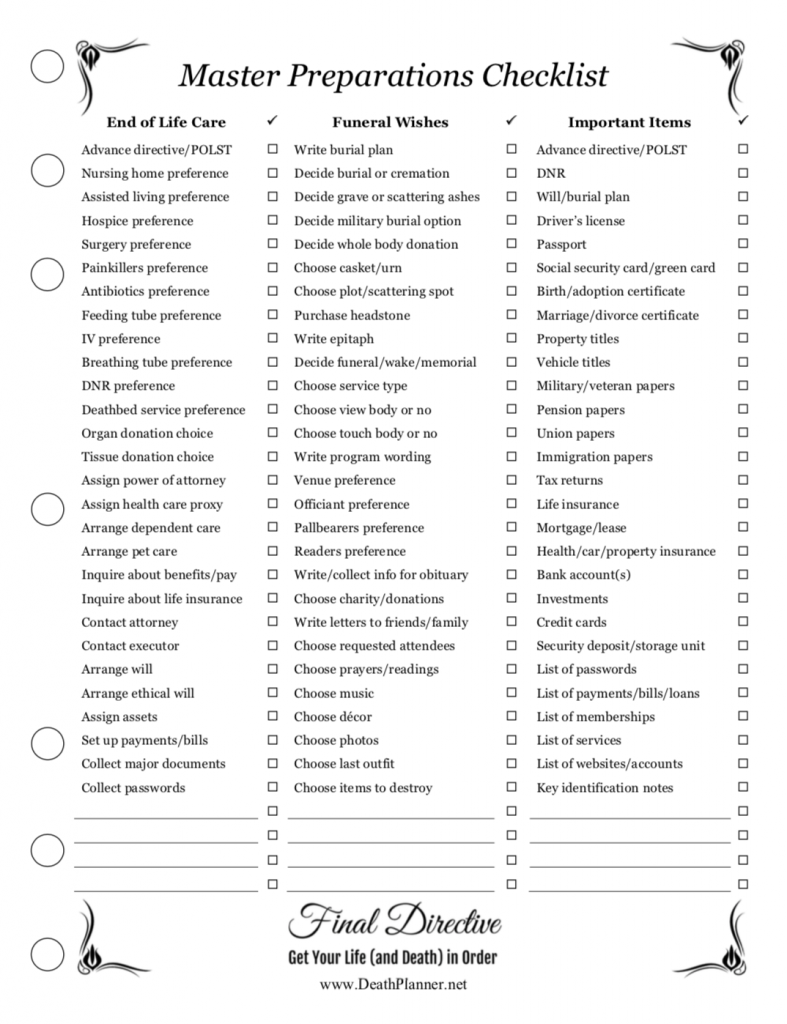
To approach choices during this sensitive time, it can be beneficial to assign a reliable family member or friend to help with the logistics of organization. This assignment can alleviate some stress and help the attention on what matters most: honoring the life of the departed. Spending time to make decisions, rather than hurrying into decisions, can also provide emotional relief and clear thinking. It is crucial to remember that there is no right way to grieve, and different family members may have varied needs and emotions.
In conclusion, think about including personal touches that represent the character and values of the deceased in the memorial service. This can change the planning process into a more significant experience, allowing families to come together in a collective of reflection. Balancing both the sorrow and the planning can foster a sense of connection and meaning, thereby making for a more heartfelt tribute to the dear one who has passed.