Luxury Underfoot: The Advantages of Choosing Hardwood Flooring


When considering establishing a warm and comforting atmosphere in your home, few alternatives match hardwood floors. Thanks to its classic appeal, hardwood floors not only improves the aesthetic beauty of any area but also brings a level of grace and class that can elevate your interior aesthetics. As trends evolve and preferences shift, the versatility of wooden floors remains a constant favorite among residential designers and designers alike.
Choosing the best type of wood flooring for your home can be a fulfilling process, yielding both functional advantages and aesthetic appeal that resonates with your individual style. Whether you favor a rustic vibe or modern minimalism, the variety available in today’s market cater to a diverse needs and practical considerations. In this article, we will discuss the many benefits of choosing wooden floors, from its enduring durability to the capacity for increasing your home’s worth, while also giving essential tips on maintenance and preservation to maintain your floors looking spotless for years to come.
Advantages of Hardwood Flooring
Timber floors offers a enduring aesthetic that enhances the appeal of every space. Its genuine grains and rich tones bring distinctiveness and refinement, developing a welcoming atmosphere that fits with various interior designs. In a case of a rustic cabin or a contemporary apartment, hardwood flooring offer a versatile backdrop that attracts a wide range of tastes and choices.
Alongside its visual appeal, hardwood flooring is known for its sturdiness and endurance. Through suitable maintenance and servicing, hardwood floors can persist for decades, making them a smart purchase for homeowners. Unlike different flooring options, hardwood can be re-surfaced multiple times, enabling it to keep its aesthetic appeal and functionality over the years, which is a significant factor in its popularity.
Additionally, hardwood flooring can notably increase a property's equity. Future purchasers frequently consider hardwood flooring as a premium feature, resulting in increased re-sale returns. The authentic substances used in hardwood flooring also contribute to in-home breathability, as they resist trapping dust and particles like rugs. Overall, choosing hardwood floors improves both the design and monetary elements of real estate investment.
Choosing the Ideal Wooden Floor
Selecting the perfect wooden floor for your home needs meticulous consideration of various elements. Initially, you should assess your lifestyle and the unique needs of your household. For instance, if you have pets or young children, you may want to opt for a more durable wood species that can endure damage, such as ash. Additionally, reflect on the traffic levels in various areas of your home. High-traffic zones like hallways and living rooms benefit from sturdier finishes and wood types to aid maintain their aesthetics over time.
Then, analyze the look you prefer to achieve. Wooden floors come in a variety of styles, colors, and finishes that can enhance any interior design. Whether you like a classic look with rich, dark stains or a modern, airy vibe with lighter hues, the choice of wood species and finish will affect the overall feel of your space. Examine samples to see how different options look in your home’s lighting and alongside your existing decor.
Finally, consider your financial limits and the cost of installation. Solid hardwood flooring usually comes at a elevated price point than engineered wood, but both have their advantages. Engineered wood is often simpler to install and maintain, which makes it a practical choice for DIY enthusiasts. In the end, finding the right balance between aesthetics, durability, and budget will ensure you choose a wooden floor that enhances your home's worth and attractiveness for years to come.
Maintenance and Advice
To preserve the aesthetic and longevity of your wooden flooring, consistent maintenance is essential. Start by sweeping the floors weekly to eliminate dirt and particles that can damage the surface. When mopping, use Wood Flooring Allexton with a cleaner specifically designed for wooden floors. Steer clear of excessive water as it can seep into seams and cause damage over time. A gentle approach ensures that your floors stay in excellent condition and keep their natural luster.
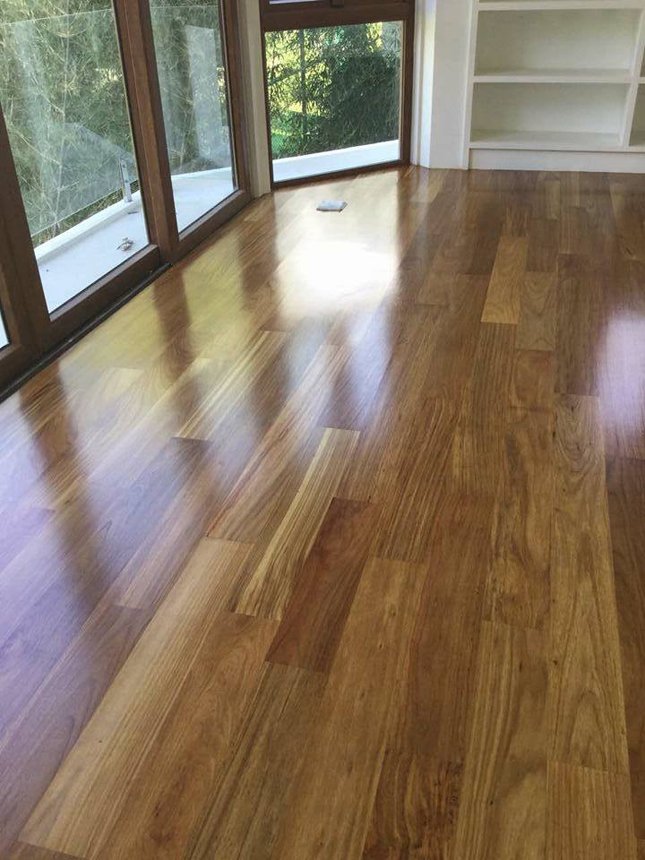
Moisture levels play a crucial role in the care of wooden flooring. To avoid bending or splitting, maintain a stable indoor humidity level between 30 and 50 percent. During cold months, consider using a humidifier to fight dry air. Additionally, be careful with heating sources; placing area rugs in front of heaters or radiators can help shield the wood from excessive heat exposure.
Safeguarding your wooden floors from damage is key to maintaining their aesthetic appeal. Wood Flooring Catthorpe felt pads under furniture legs to prevent scratches and dents. To guard against water damage, quickly wipe up spills and use entrance mats to trap moisture and dirt at entry points. Consistently inspect your floors for indications of wear, and fix any issues promptly to keep your flooring looking fresh and lively for years to come.