Planning Ahead: How to Make Memorial Arrangements Easily


When faced with a loss of an loved one, this last thing on anyone's mind is planning a funeral. However, this difficult task often falls on grieving family members who are trying to manage their emotions and the logistics of the farewell. Nevertheless, with proper planning, organizing an meaningful tribute can be a less overwhelming process. In this guide aims to provide families with essential steps and insights needed for stress-free funeral arrangements.
Planning ahead not only eases this burden on your loved ones in their time of grief, but it also allows you to express your wishes and values in the way that truly honors your life. From learning about the different options offered to creating an personalized service, there is much to consider—and this article will serve as a comprehensive resource. Regardless of whether you're doing preliminary research or facing a sudden immediate loss, our systematic approach will help you navigate this challenging journey with grace and clarity.
Understanding Final Preparation Essentials
Memorial preparation is a critical process that entails arranging plans for a loved one's farewell or preparing your personal in advance. This task can appear intimidating, but it turns significantly more manageable when divided into clear steps. The essential components to consider consist of choosing the memorial style, determining the service details, and understanding the necessary paperwork needed. Starting with these basics lays a foundation for a organized and respectful farewell.
One important factor of memorial planning is understanding the distinction between funeral planning and memorial services. A conventional service usually involves a deceased individual present, while a memorial may be held without the remains, emphasizing celebrating the legacy of the deceased. Knowing these distinctions helps families arrive at informed decisions that celebrate their loved ones in the most appropriate way. Additionally, addressing personal beliefs and cultural traditions plays a vital role in shaping these arrangements.
Financial considerations are another significant aspect in the memorial planning process. It's essential to know what expenses are linked to different services, from burial to cremating, and what options are offered to accommodate a range of budgets. Transparency in cost is important, and families should inquire about possible hidden fees during the planning phase. By understanding these essentials, families can manage the challenges of funeral preparation with confidence and clarity.
Managing the Emotional Factors of Organizing
Organizing a funeral can be an emotionally charged experience, as it often happens during one of the most testing times in the human experience. Loved ones may be coping with sorrow while making significant decisions that can feel daunting. It is crucial to validate these feelings and allow yourself and your family the space to articulate them. Understanding that sorrow, bewilderment, and even frustration are common responses can help you navigate this difficult journey more easily.
One helpful way to cope with the mental weight of service planning is to lean on a system of support. Acquaintances, kin, or even a trusted adviser can provide critical assistance during this phase. Delegating Homepage can lessen some of the strain and allow for a more team-oriented approach to organization. It’s also helpful to participate in honest conversations with relatives about their emotions and preferences, ensuring that all parties feels heard and considered, which can promote a sense of unity.
Lastly, take time off when required and practice self-nurturing. Grief can be overwhelming, and it's vital to put first your health amid the logistics of arranging. Basic acts, such as taking a walk, enjoying music, or engaging in mindfulness, can help you refresh. Be aware that the process doesn’t have to be hastened; granting yourself time to mourn and organize will lead to a more meaningful and sincere funeral that truly honors the life being celebrated.
Helpful Measures for Smooth Planning
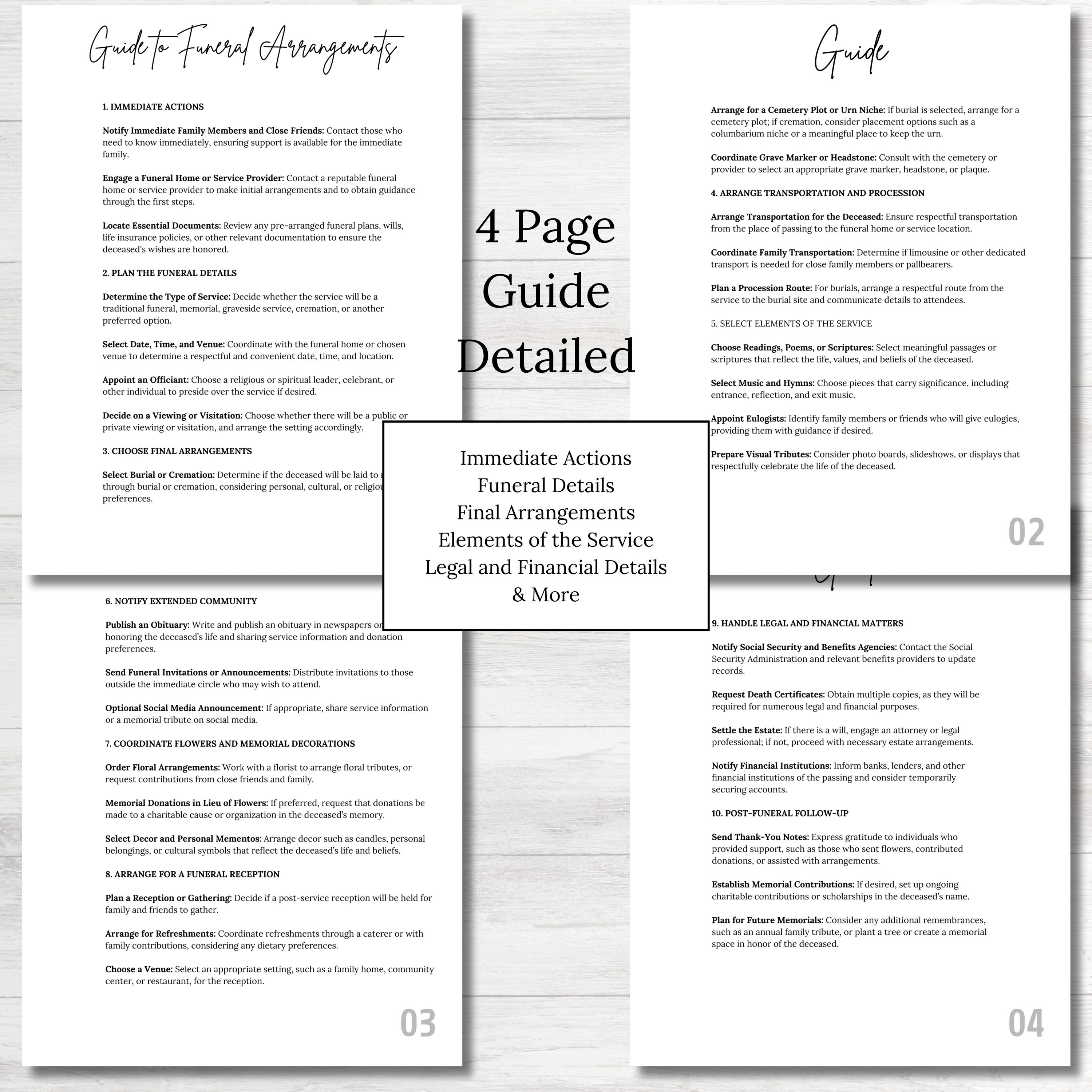
One of the essential steps in making funeral arrangements more manageable is to create a detailed checklist. This list should cover all necessary tasks, such as choosing a funeral director, making decisions about burial or cremation, and deciding on service details. By presenting everything in a structured format, families can address items one at a time, reducing feelings of being overwhelmed. The Funeral Planning Checklist should have questions about wishes for the service, any cultural heritage traditions to honor, and choices for personalization that reflect the deceased's character.
Communication with family members is crucial throughout the planning process. It's necessary to have honest discussions about wishes and preferences, which can help coordinate everyone’s expectations and desires. Discussing about these arrangements in advance not only eases the burden after a loss but can also help avert potential conflicts. Encourage family members to share their thoughts and feelings, as this joint approach can promote understanding and support during a difficult time.
Lastly, take into account the financial aspects of funeral planning early on. Knowing funeral planning costs can help families make educated choices within their budget. Discuss the options available, such as classic services versus more cost-effective alternatives, and make use of resources like funeral planning FAQs and guides. This planning will provide peace of mind, allowing families to focus on honoring their loved one rather than stressing over expenses.