Safe and Clean: The Perks of Vacuum Excavation in Metropolitan Areas


In the busy landscape of contemporary cities, construction projects are often met with the hurdle of navigating complex underground utilities, limited space, and the ever-present concern for safety. Vacuum excavation has emerged as a game-changing solution, transforming the way metropolitan construction is approached. With its cutting-edge methodology, vacuum excavation not only optimizes the digging process but also considerably reduces the risk of damaging vital infrastructure. As click here continue to develop, grasping the advantages of this technique becomes crucial for contractors, engineers, and city planners alike.
The process of vacuum excavation involves the use of powerful suction to remove soil and debris, while minimizing disruption to the surrounding environment. This gentle digging method is particularly well-suited for urban settings, where existing utilities such as water pipes, gas lines, and telecommunications cables are densely packed underground. By employing vacuum excavation, construction teams can enhance safety, protect utilities, and expedite project timelines, making it an indispensable tool in the current construction arsenal. In exploring the myriad benefits of vacuum excavation, it’s clear that this technique offers a neat and safe way to tackle the issues of urban construction.
Understanding Vacuum Digging
Vacuum excavation is an advanced method employed in construction and utility projects that uses strong suction to safely and efficiently remove soil and debris. This technique is especially advantageous in city areas where traditional digging methods can pose risks to existing underground utilities, such as gas, water, and telecommunications lines. By using high-pressure water or air along with a vacuum system, suction excavation creates little disturbance to the surrounding environment, making it an ideal solution for fragile urban infrastructure.
The process begins with the identification of the location of utilities and the marking of underground facilities. Custom equipment then injects water or compressed air to soften the soil around the target area. Once the soil is softened, the vacuum unit pulls up the excavated material into a containment tank. This method not only boosts safety but also offers extraordinary precision, allowing operators to expose utilities and other structures without the risk of harmful effects on them.
In addition to its safety and efficiency, vacuum excavation offers significant environmental benefits. The decreased noise and minimized soil disturbance contribute to a tidier working environment, while the ability to work in tight spaces helps maintain vegetation and existing infrastructure. As urban areas continue to develop, suction excavation stands out as a revolutionary technique that addresses the challenges of modern construction, ensuring more secure and more efficient project execution.
Safety and Sustainability Benefits
Suction excavation considerably enhances protection on building sites by minimizing the chance of incidents and harm. The method’s non-destructive nature enables for careful excavation around pre-existing infrastructure, lowering the chance of damaging underground pipes. This accuracy not only shields workers from potential hazards but also alleviates the threats associated with utility issues, which can result in severe injuries and high-cost repairs. Furthermore, because vacuum excavation is conducted with less bulky machinery and physical labor, the overall security of the job site is improved.
From an environmental standpoint, suction excavation promotes green practices by lowering earth interference and minimizing trash creation. Unlike traditional digging methods, that often lead to the disturbance of the surrounding environment, vacuum excavation takes away soil and waste in a managed manner, maintaining the original form of the area. This is particularly important in city environments where natural areas are few and conservation is a priority. Additionally, the reduced impact on soil and vegetation results in reduced erosion and a lower likelihood of runoff contamination.
The implementation of suction excavation also contributes to improved community relations by reducing noise and disruption during construction tasks. As this method typically needs less period to complete excavations, it results in reduced traffic obstructions and inconveniences for nearby residents. This consideration helps maintain a favorable relationship between builders and the community, encouraging an setting where urban projects can proceed with greater public support and reduced opposition.
Uses and Optimal Methods
Vacuum excavation is progressively employed throughout multiple fields due to its efficiency and safety. One of the usual functions is in utility and pipeline installation, where precision is key. The ability to uncover existing infrastructures without causing damage ensures that works can advance efficiently and on track. Moreover, vacuum excavation is also used for pothole excavation, allowing for precise utility location before extensive digging starts. This method significantly minimizes the risk of damaging underground lines, thus improving overall safety.
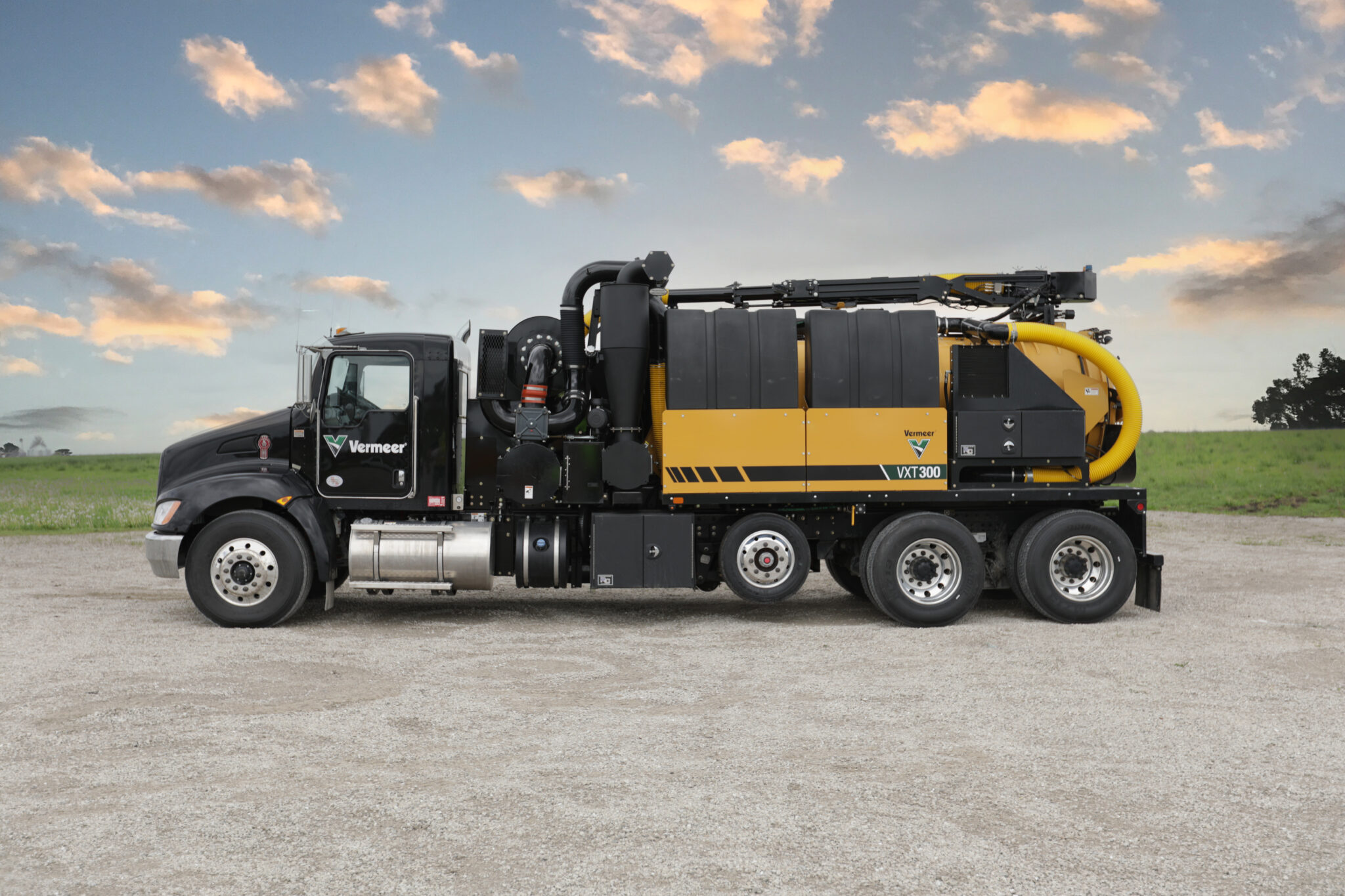
Another crucial use is in urban environments where area is limited, making vacuum excavation an excellent choice. Vacuum Excavation Ballymena Northern Ireland is particularly advantageous for drainage and sewer maintenance as it reduces surface disruption while effectively removing soil. The non-destructive nature of vacuum excavation helps preserve surrounding structures and landscapes, ensuring that urban developments meet safety regulations and community standards. Additionally, its use in landscaping affords professionals the ability to work around vegetation without causing harm, preserving vital greenery in urban areas.
Optimal strategies in vacuum excavation consist of thorough planning and risk assessment before starting a project. Operators should be trained and well-acquainted with the equipment, and safety measures must be strictly followed to ensure adherence with local regulations. Regular maintenance of excavation equipment is crucial to prevent malfunctions and to promote consistency on job sites. By following these practices, construction teams can maximize the benefits of vacuum excavation and minimizing potential issues and hazards on the job.