Search Engine Optimization Misconceptions Demystified: Everything Individuals Should learn Recognize


In an constantly changing digital environment, SEO continues to be one of the crucial component of every successful web-based strategy. However, misconceptions about SEO continue, leading numerous companies onto the misguided track in their quest for better exposure and elevated positions. This article aims to dispel a few frequent search engine optimization myths and offer you with crucial information required to navigate the challenges of enhancing your web presence.
As we look ahead to 2025, grasping the basic concepts of SEO is crucial. No matter if you're new or refining your existing strategies, it's crucial to recognize what truly affects your search rankings. Starting with the details of on-site and off-page SEO to the significance of technological enhancement, we'll explore important information that can help you enhance your site and obtain sustained results. Come along with us as we dispel the misconceptions and arm you with actionable tactics for effective SEO.
Essential SEO Techniques for Beginners
Grasping the fundamentals of SEO is crucial for anyone looking to improve their website's presence in search results. An initial steps in mastering SEO is keyword research. This involves discovering the terms and phrases that potential visitors employ when searching for content related to your industry. Tools such as Google Keyword Planner and Ubersuggest can aid you discover pertinent keywords with good search volumes. Aim to target long-tail keywords as they typically have reduced competition and can be easier to rank for.
On-page SEO is another critical technique that centers around optimizing specific web pages to perform higher and earn additional targeted traffic. This entails optimizing page titles, meta descriptions, header tags, and the content overall. Ensure Discover more is worthwhile, engaging, and responds to the questions that searchers might have. Moreover, take into account your website's structure and use internal linking to assist distribute page authority and improve user experience.
Furthermore, technical SEO is important for making sure that search engines can crawl and index your site effectively. This includes optimizing your website’s loading speed, ensuring mobile responsiveness, and organizing your URLs in a logical and structured manner. Implementing an SSL certificate for security and creating an XML sitemap can also improve how search engines interact with your site. Implementing these foundational steps will put you on the appropriate path for improving your SEO positions.
Typical Search Engine Optimization Pitfalls to Avoid
One significant pitfall a lot of newcomers to SEO experience is overlooking on-page SEO techniques. This includes disregarding critical elements such as titles, meta information, and heading elements. Each of these components plays a pivotal role in helping SEs comprehend the material of a site. Failing to properly enhance them can lead to lost prospects for improved rankings. Always ensure that your on-page elements are relevant, rich in keywords, and correctly illustrate the content of your site.
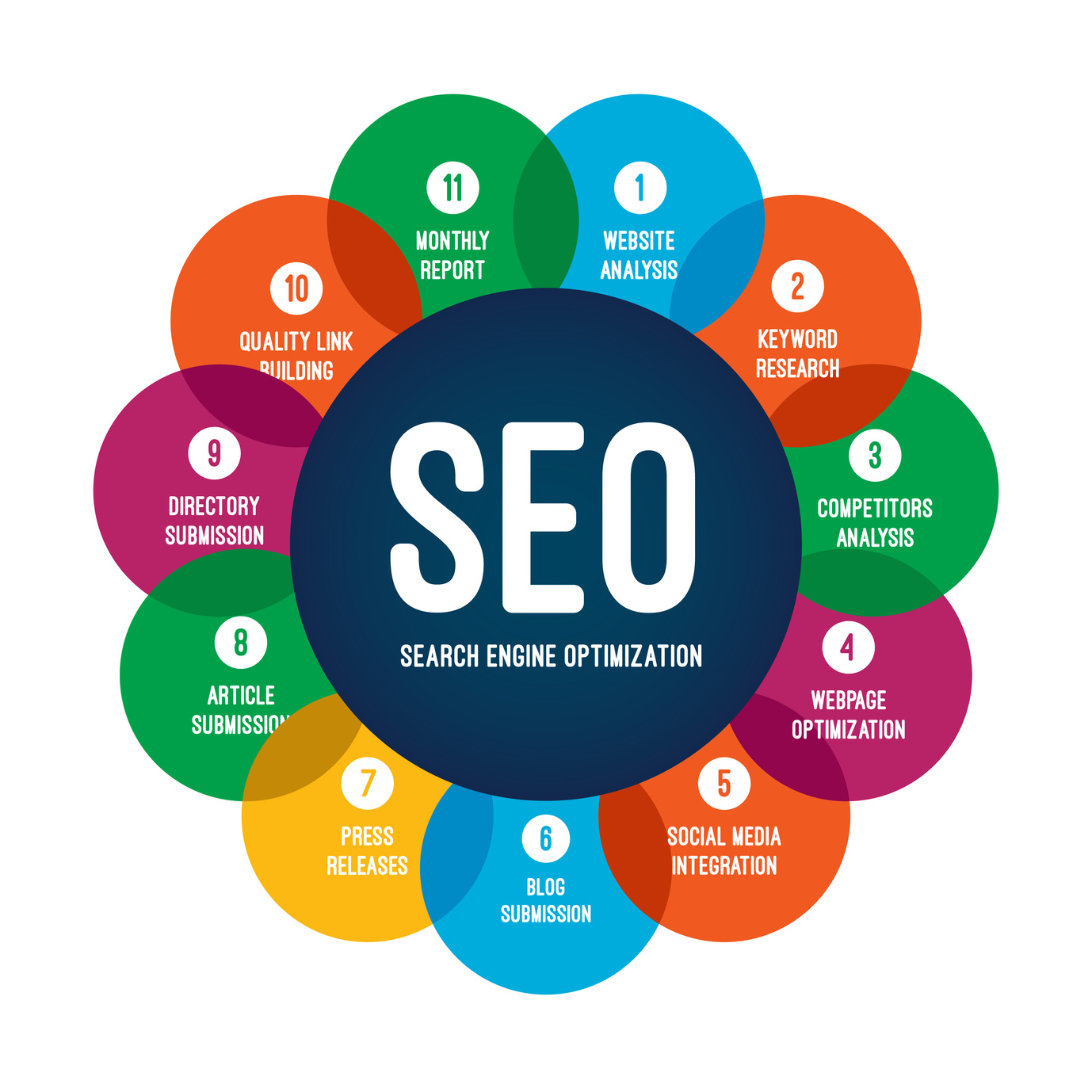
Another frequent mistake is neglecting the significance of high-quality material. Some people emphasize too much on excessive keyword use or producing poor articles in hopes of positioning higher. However, these platforms emphasize high-quality, compelling writing that delivers benefit to readers. It's essential to strike a harmony between optimizing for search terms and ensuring that your material is insightful and pleasant to experience. This strategy not only improves your visibility but also encourages user engagement and spread.
Lastly, numerous neglect the value of technical SEO. This dimension of SEO includes refining the website's design and code to guarantee search engines can effectively crawl your website. Problems such as slow page speed, dead links, and absence of mobile-friendly features can severely impact your rankings. Regularly performing an SEO assessment can help detect and resolve these technical shortcomings, ensuring your site is thoroughly enhanced for both web crawlers and visitors alike.
Future Trends in SEO
As we progress further into 2025, understanding the future of SEO is crucial for marketers and companies. One of the major trends is the rising role of UX. Search engines are favoring websites that not only provide high-quality content but also deliver a flawless and satisfying browsing experience. Elements such as site speed, mobile optimization, and easy navigation are now essential to successful rankings. As a result, focusing for user experience is no longer a choice but crucial for search engine optimization achievement.
Another trend to observe is the growing influence of AI in SEO strategies. AI technologies are becoming integral for search term research, content creation, and predictive modeling, allowing marketers to customize their strategies based on analytics-based insights. As search engines continue to evolve, utilizing AI will help businesses stay at the forefront by allowing more rapid decision-making and enhanced optimization methods.
Lastly, the rise of voice-activated search is transforming the method users engage with online searches. With an growing number of users using voice technology, optimizing for spoken phrases and local search queries is becoming essential. Businesses need to adopt new strategies that concentrate on NLP and schema to ensure their content is easily through spoken searches. Responding to these changes will be essential for maintaining visibility and importance in an constant online landscape.