Secrets of Surveyors: Revealing Techniques in Land Measurement Mysteries


Navigating the intricacies of land measurement can often appear like unlocking a code. For landowners, investment stakeholders, and contractors alike, understanding the critical function of land surveyors is crucial. These professionals provide invaluable insights into property lines, zoning regulations, and site conditions that can decide significant investment decisions. In this manual, we will examine what the work of surveyors, the reasons their services are essential, and how their skills helps prevent pitfalls in property dealings and building endeavors.
As you think about acquiring real estate or starting a building project, the significance of a detailed land survey cannot be exaggerated. From boundary surveys that avoid costly disputes to cutting-edge technology like GPS and drones that boost accuracy, the field of surveying is advancing rapidly. This article serves as a complete guide to all aspects of land surveying, discussing everything from the types of surveys available to useful tips on selecting the right professional for your requirements. Whether you are a veteran investor or a new buyer, understanding these surveying secrets is your essential tool to making informed decisions in the realty sector.
Comprehending Land Surveys
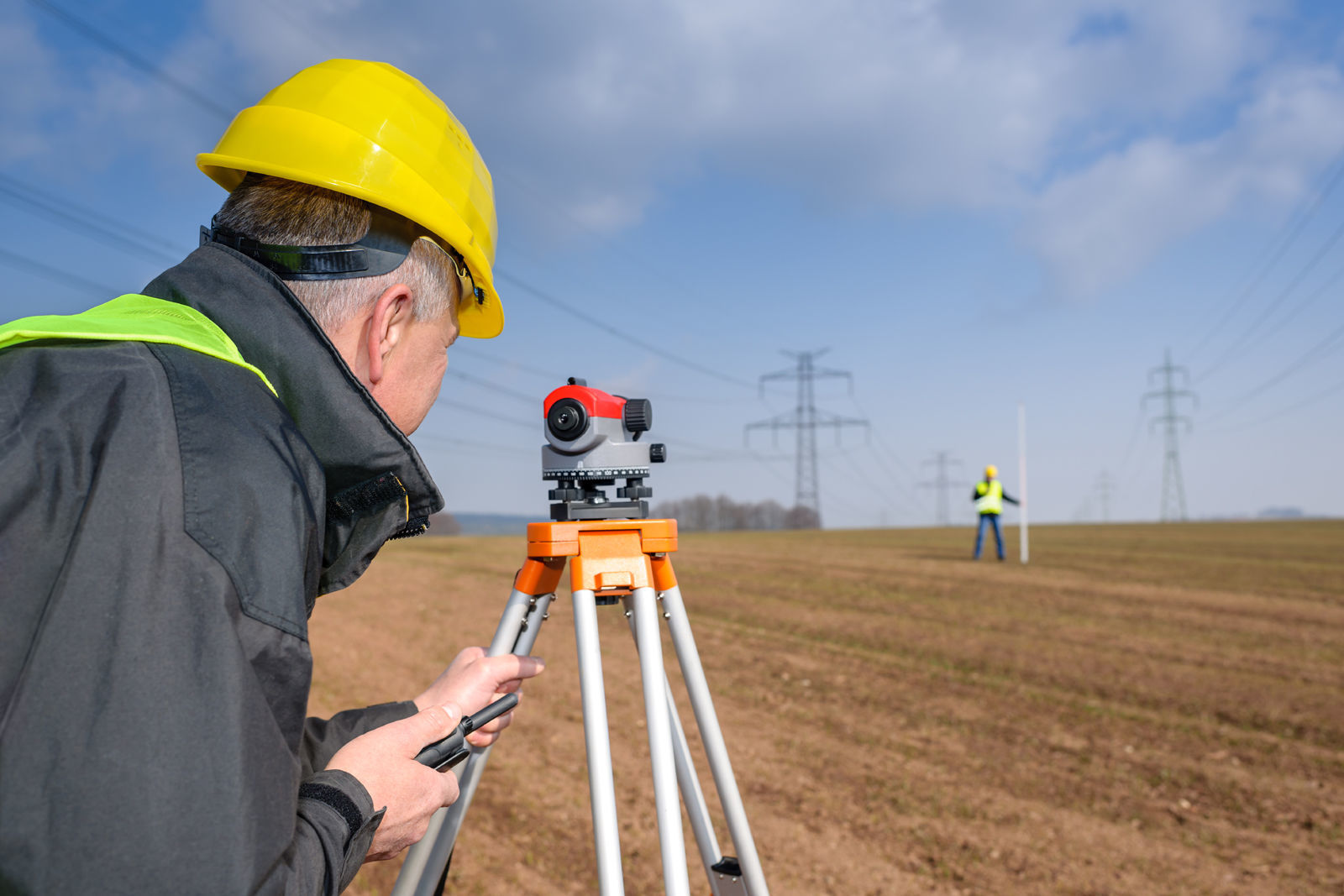
Surveying land are crucial for establishing the specific boundaries and measurements of a piece of land. A surveyor employs various devices and procedures to create accurate depictions of the property, which can consist of maps and layouts. Understanding these evaluations is crucial for property owners, as they provide clarity on limits, easements, and possible infringements. This knowledge is fundamental for many property deals and land projects.
Before buying real estate, having a land survey conducted is a generally required step. This procedure ensures that purchasers are knowledgeable of the exact dimensions and features of the land they are looking at. Without a valid land survey, investors face discovering border complications, land use regulations, or disputes with surrounding landowners after the purchase, which can lead to costly and time-consuming issues. Thus, a survey offers assurance and is a shield for real estate investments.
Multiple types of land surveys serve diverse roles and can be categorized based on particular needs. For case in point, boundary surveys focus on determining precise limits, while topographic surveys characterize the landscape, showing height variations and features of the land. Further categories include ALTA/NSPS land surveys, which are more suitable for commercial properties and adhere to particular guidelines. Comprehending these differences helps landowners choose the right survey type for their needs, ensuring correct and useful information for their initiatives.
The Importance of Hiring a Professional Surveyor
As it pertains to property possession, hiring a professional surveyor is essential for guaranteeing that your land is precisely measured and properly documented. Surveyors possess the expertise and training necessary to understand land boundaries, evaluate property lines, and address disputes that may arise with neighbors or local authorities. Their knowledge of regional regulations and compliance standards can protect property owners from expensive legal issues down the road. Without a professional surveyor, you risk making decisions based on inaccurate information, which can result in serious financial setbacks.
Qualified surveyors also utilize advanced technology and equipment that the average property owner may not have access to. This includes GPS systems, drones, and 3D laser scanning, which enhance the accuracy of surveying work. By taking benefiting from these tools, surveyors can offer high-quality surveys that deliver comprehensive data and a clear understanding of your land's characteristics. This degree of detail is essential for various projects, from buying a new property to organizing construction or renovations.
Additionally, engaging a qualified surveyor can streamline the entire process of property transactions or development projects. They facilitate communication between parties, making sure that all stakeholders are on the same page. rics level 2 survey qualified can offer valuable insights and recommendations derived from their findings, helping property owners make knowledgeable decisions. In essence, a professional surveyor is an essential asset that safeguards your investment and promotes successful outcomes in land-related projects.
Developing Trends in Geospatial Technology
The domain of surveying is quickly evolving with improvements in tech, revolutionizing traditional methods into more efficient and precise techniques. An notable trend is the merging of Geographic Information Systems (GIS) with land surveying. This tech permits surveyors to evaluate geospatial data in various ways, permitting them to produce detailed maps and visualizations that aid in planning. Property owners and developers benefit from this technology as it provides a comprehensive view of the land, featuring its topography and any likely zoning issues.
Another remarkable trend is the adoption of unmanned aerial vehicles (UAVs) for aerial surveying. Drones outfitted with high-resolution cameras and LiDAR sensors are growing commonplace in the surveying industry. They can quickly gather large areas of land with extraordinary accuracy, which is especially advantageous for projects such as infrastructure development, land assessments, and environmental monitoring. Drones not only improve the speed of data collection but also minimize costs by cutting the need for thorough ground surveys in numerous cases.
Lastly, the arrival of 3D laser scanning is changing how surveyors tackle challenging projects. This technology takes precise measurements of physical spaces and generates highly detailed three-dimensional representations. It is particularly advantageous for building and renovation projects, as it assists in identifying potential issues before they arise. The ability to visualize structures and terrains in 3D contributes substantially to better planning and execution, ensuring that surveyors can provide critical insights during each project component.