Set Sail Safely: The Definitive Manual to Marine Covers


Possessing a craft is a fulfilling experience, offering limitless opportunities for adventure, relaxation, and connection with the environment. Nonetheless, protecting this asset is crucial to making sure it stays in top condition for an extended period to come. One of the most effective ways to shield your craft from the weather is by using a high-quality boat cover. Not only do boat covers protect your boat from the sun, precipitation, and particles, and they can also substantially extend the duration of your boat, protecting its value and capabilities.
In this comprehensive guide, we'll discuss all the details you need to know about boat covers, from selecting the best one to caring for it over time. Whether you own a compact fishing boat, a luxurious yacht, or a versatile pontoon, understanding the multiple types of covers available, as well as their fabrics and features, will enable you to make informed decisions. Join us as we delve into the realm of boat covers and discover how you can navigate safely, secure in the knowledge that your boat is thoroughly safeguarded.
Choosing the Best Boat Protection
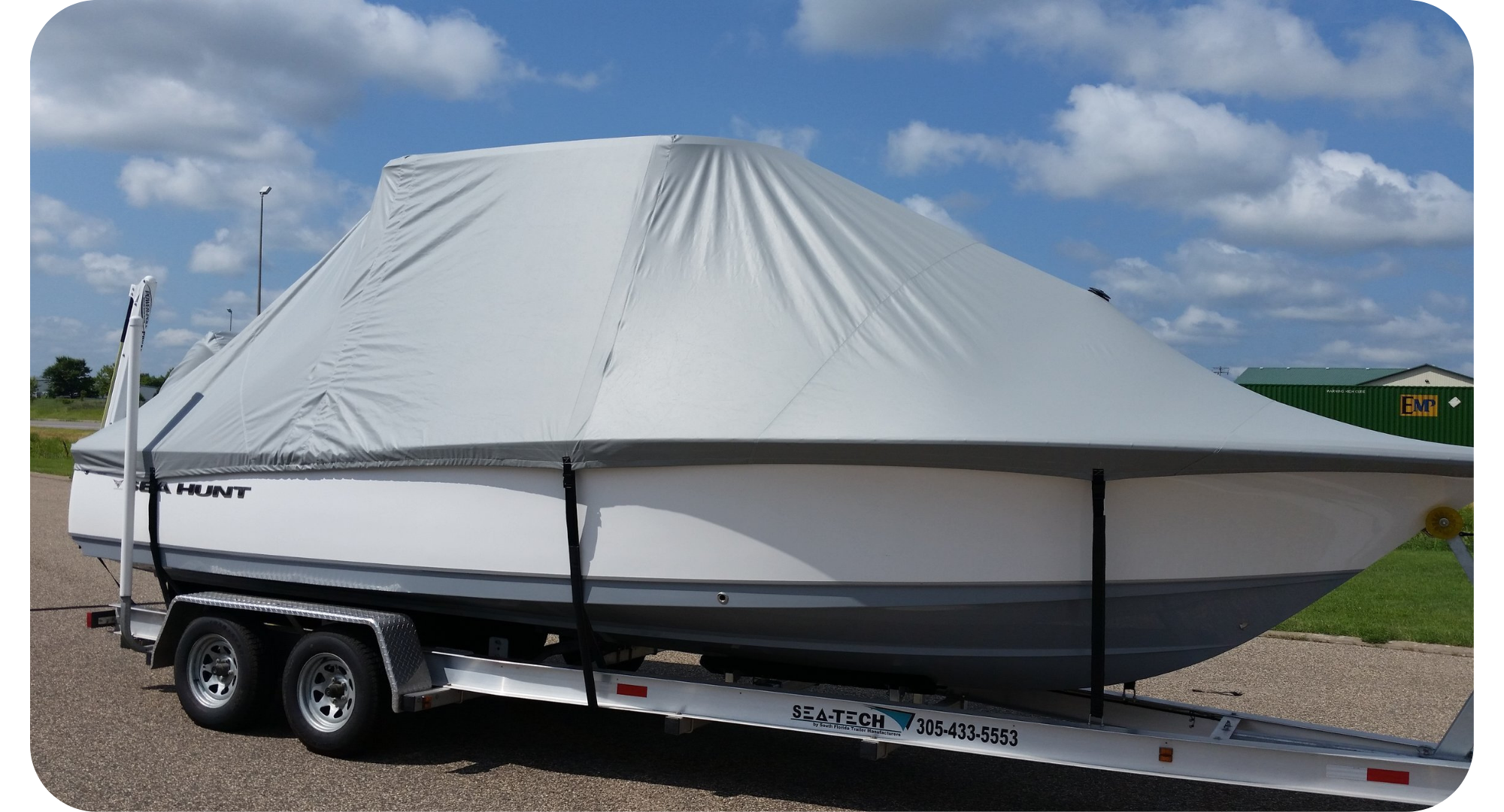
Choosing the appropriate boat protection is essential for safeguarding your investment and ensuring that your vessel remains in peak condition. The first step in this procedure is to distinctly determine the kind of protection that suits your needs. Various boat types—including cuddy boats, party barges, and fishing boats—may require specialized protection that offer specific safeguarding against the elements. It's important to consider aspects like weather conditions, usage, and storage space when making your selection.
After you have a clear understanding on the kind of cover required, taking measurements of your vessel correctly is essential. This step affects the fitting and effectiveness of the cover. Incorrect measurements can lead to ill-fitting protection that fail to keep out moisture or debris, or tight ones that may cause damage over the long term. Be sure to measure the overall length, width measurement, and height measurement of your vessel, accounting for add-ons like handrails or towers. Adhering to the manufacturer’s instructions will aid in getting an optimal fit.
To wrap up, take into account the fabric used in vessel covers. The material determines not only durability but also how well the cover can withstand severe weather conditions. Seek out choices that offer protection from UV rays, waterproofing, and ventilation to prevent mildew and fungus. Researching the advantages of various materials—such as polyester, acrylic, and canvas—will help you reach an informed choice that meets both your requirements and budget.
Setup and Maintenance
Correct installation of a boat cover is essential to ensure ultimate protection for your vessel. Start by laying the cover over your boat, making sure it is evenly distributed. Attach any fasteners or clips according to the manufacturer's instructions, securing the cover snugly without causing unnecessary tension that might damage the material. Boat Cover Preston Lancashire to the corners and edges, as these areas are prone to flapping in the wind, which can lead to wear over time. Always follow the guidelines supplied with your specific cover for the best practices in installation.
Caring for your boat cover is just as important for longevity. Regularly inspect it for signs of wear, such as tears or fraying seams, and address these issues promptly to prevent further deterioration. Cleaning your cover should be done following the manufacturer's recommendations, typically involving a gentle wash with mild soap and water. Avoid harsh chemicals that could break down the fabric. Additionally, allow the cover to dry completely before putting away it to prevent mold and mildew formation.
When it comes to putting away your boat cover, ensure it is completely dry to avoid damp conditions that foster mold. Fold it neatly and consider using a breathable bag for storage to keep it maintained and safe. If you live in an area with extreme weather, consider conditioning the material with a fabric protector designed for marine applications to extend its life. By following these steps, you can maintain the integrity of your boat cover, ensuring your investment remains well protected for a long time to come.
Shielding The Asset
Investing in a vessel is a considerable monetary investment, and similar to any large property, it requires safeguarding to maintain its worth. One of the most efficient methods to safeguard your vessel from the elements is by employing a high-quality boat cover. Boat covers protect your investment from damage caused by UV rays, precipitation, snow, and debris, which can lead to expensive repairs over time. By offering a barrier of protection against environmental factors, you can maintain the state of your vessel and prolong its lifespan.
Additionally, boat covers play a crucial role in preventing mold and mold growth growth, particularly in damp conditions. These issues can not just reduce the visual attractiveness of your boat and can also cause structural damage if left untreated. Selecting the right boat cover, whether it be a tailored or standard fit, ensures that all areas of your boat are covered appropriately, minimizing the risk of water pooling and subsequent damage to furniture and devices. This proactive method to care aids in preserving the vessel's resale when the moment comes to upgrade or dispose of.
Ultimately, a good boat cover is a sensible investment that goes further than immediate protection. It symbolizes a commitment to responsible ownership and maintenance of your vessel. By taking the time to select an appropriate cover and adequately caring for it, you ensure that your vessel remains in top shape, allowing you to enjoy many seasons of fun on the ocean free of the concern of unexpected deterioration.