Sustainable Design: Eco-Friendly Wooden Floor Choices


Regarding establishing a dwelling that is both elegant and environmentally friendly, wooden flooring remains a classic choice that effortlessly blends organic charm with eco-consciousness. The appeal of wood goes beyond its beauty; it infuses warmth and character to any area, making it a popular option for homeowners and decorators alike. As we increasingly emphasize sustainability in our homes, the market offers a variety of green timber flooring choices that not only appear attractive but also promote responsible forestry practices.
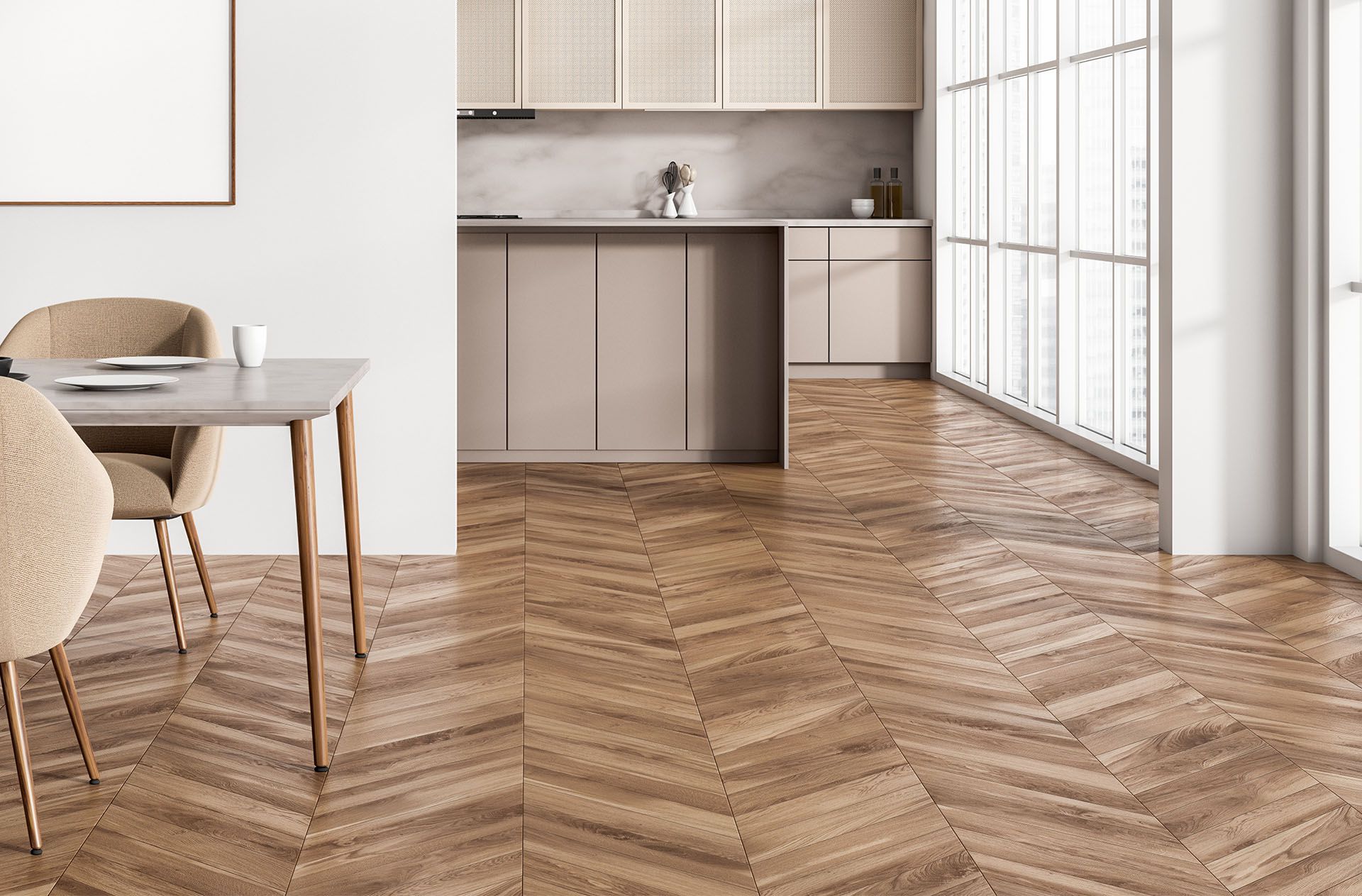
In this guide, we will look into the various wooden flooring options that you can choose from, helping you grasp how to choose the appropriate type for your residence while factoring in aspects such as longevity, design, and sustainability. From solid wood to composite wood, each has its unique benefits and drawbacks. Get ready to uncover the typical pitfalls to watch out for, how to care for your stunning floors, and the current trends defining the wooden flooring landscape in 2025. Whether you are improving or building anew, adopting sustainable wooden flooring is a step towards a more sustainably focused lifestyle.
Opting for the Right Timber Floor coverings
As you choosing hardwood flooring for your residence, consider the multiple options available and the way they fit with your daily habits. Solid hardwood floors provide durability and classic look, rendering them a favored selection for property owners who appreciate longevity. Engineered timber, conversely, offers enhanced resistance to humidity and is suitable for spaces with varying moisture levels, like basements or cooking areas. Analyze the functionality and visual appeal that all choice provides to your space ahead of reaching a definitive choice.
Another important consideration to consider is the wood species itself. Different types have different levels of strength, texture, and hues. For example’s sake, Red oak is recognized for its durable resilience, while maple offers a pale hue that can illuminate a area. If you have pets or kids, choosing a tougher type can assist endure use. Investigate possibilities that match your property's decor while noting the ecological advantages of opting for sustainably harvested timber.
Lastly, reflect on the approach to installation and costs connected to all option of flooring. Certain timber flooring can be readily put in as a do-it-yourself task, while others may require expert setup due to their difficulty. Comprehending your cost limits, daily requirements, and design preferences can result in a satisfying purchase in your property's flooring choices. Take your time to explore and collect samples to confirm you arrive at a knowledgeable decision that improves your area for a long time to come.
Benefits and Maintenance of Wooden Floors
Hardwood floors offer multiple advantages that enhance both look and functionality of a home. One of the primary advantages is their classic beauty; they provide coziness and comfort that can complement any home decor theme, from traditional to contemporary. Moreover, wooden flooring is known for its robustness, often surviving for decades with proper maintenance. This endurance not only makes them an economical choice in the end, but also adds worth to a home, as many buyers prefer houses with high-quality wooden floors.
To maintain the aesthetic and structure of wooden floors, regular care is important. This includes sweeping or vacuuming to eliminate dirt and debris, which can cause damage and wear over time. Additionally, employing a damp mop with a gentle cleaner specifically for wooden surfaces will help preserve the surface without harming the wood. It is important to refrain from excessive water, as this can lead to distortion and other humidity concerns. Seasonal maintenance, including checking for signs of wear and addressing any blemishes or dents, will also prolong the longevity of the flooring.
Investing in protective measures can further increase the durability of wooden floors. Laying down rugs in busy spots can avoid undue wear, while furniture pads can minimize scratches from shifting furniture. It's also significant to maintain optimal humidity levels in the home, as fluctuations can affect the wood's quality. By following these care instructions, property owners can enjoy the lasting appeal of wooden floors for decades to come.
Trends and Sustainability in Timber Flooring
As residents become increasingly conscious of their environmental impact, the interest for green wooden flooring alternatives has risen. Responsible practices in the timber industry focus on ethical sourcing, ensuring that the wood is gathered from sustainably managed forests that focus on reforestation and ecosystem variety. Selections such as bamboo and repurposed wood are growing in popularity, not only for their minimal ecological footprint but also for their unique aesthetic qualities that add character to any space.
In 2025, the trends in wooden flooring demonstrate a fusion of traditional craftsmanship with contemporary sustainability. Browse around this site are leaning towards finishes that incorporate natural oils and water-based coatings instead of harmful chemicals, which correspond with the increasing desire for cleaner indoor air quality. Additionally, simple designs featuring large planks and softer hues are popular, offering a up-to-date look while highlighting the natural beauty of the wood grain, underlining sustainability without compromising style.
The function of innovation in advancing sustainable wooden flooring continues to progress. Innovations in production techniques are now enabling manufacturers to create durable, high-quality engineered wood solutions that use fewer natural resources per square foot compared to solid hardwood. This not only decreases waste but also appeals with eco-conscious consumers eager to invest in products that match with their values, proving that stylish living and sustainability can indeed walk hand in hand.