Topographical Assessments: Wherever Exactness Intersects Landscape


Terrain assessments are a crucial aspect of land development and construction projects, where precision meets the intricate details of the environment. These assessments provide essential data about the shape, features, and variations of the land, allowing designers, technical experts, and land planners to make informed decisions. Understanding what a topographical assessment involves and recognizing its importance can significantly impact the results of projects, from residential homes to large-scale commercial developments.
In today’s fast-paced world, the role of topographical surveys cannot be understated. They are instrumental during the planning stages of any project, ensuring that potential obstacles are identified early and that designs align harmoniously with the existing land. As we delve deeper into the world of terrain surveys, we will investigate when these surveys are necessary, how they support various types of projects, and the advancements in tech that are making them more precise and efficient than ever before.
Understanding Terrain Mappings
Terrain assessments are thorough evaluations of the terrain's surface, capturing its untouched and constructed features. These surveys outline the shapes, heights, inclines, and the placement of various aspects such as buildings, pathways, and plant life. The primary aim is to create a precise representation of the site, helping stakeholders see how a location can be improved or changed for distinct projects.
The significance of topographical assessments cannot be emphasized, as they provide vital data for designers, engineers, and strategists. By comprehending Extra resources , professionals can design buildings and infrastructure that correspond with natural conditions, ensuring stability and effectiveness. This survey type is especially important in intricate projects where site challenges may impact design decisions, resource allocation, and overall project feasibility.
Current topographical surveys utilize innovative technology, including satellite technology, drones, and LIDAR scanning, which enhance accuracy and effectiveness. By employing these modern tools, evaluators can quickly gather extensive data, making it easier to detect site limitations and inform decision-making processes. This integrated combination of technology not only streamlines the surveying process but also significantly contributes to the affordability of building projects.
Significance of Geographical Surveys in Developments
Terrain surveys serve a pivotal role in the success of various projects, serving as the foundation for informed decision-making in the planning stages. They provide thorough information about the land's physical and constructed features, including altitudes, outlines, and any obstacles that might affect development. Lacking such accurate data, architects, technical experts, and developers may face significant challenges, leading to costly delays and possible development failures.
Grasping the terrain and its characteristics allows for enhanced site analysis, helping project stakeholders to evaluate the feasibility of proposed initiatives. Topographical surveys aid effective land use by highlighting site constraints and possibilities, allowing for strategic organization that takes into account variables like water flow, flora, and pre-existing structures. This complete understanding is vital for reducing hazards associated with environmental standards and construction restrictions.
Additionally, terrain surveys facilitate to cost effectiveness in initiatives. By obtaining precise data from the start, teams can steer clear of common pitfalls that arise from poor site analysis, such as unforeseen site conditions or inaccurate assessments of the landscape. Spending in a reliable geographical survey eventually saves resources and funds, ensuring that developments are completed on deadline and within financial plan while attaining the intended results.
Technology and Innovation in Terrain Surveys
The landscape of topographical surveys has undergone major change thanks to developments in tech. Traditional methods like tape measure readings and levels have been largely enhanced, if not supplanted, by cutting-edge tools such as Global Positioning System, unmanned aerial vehicles, and LIDAR technology. These tools allow for improved precision and efficiency in data collection, enabling surveys to capture extensive amounts of information in a short of the time it once took. With UAVs, for instance, extensive regions can be surveyed swiftly, providing high-resolution images and terrain data that would be challenging to acquire using conventional methods.
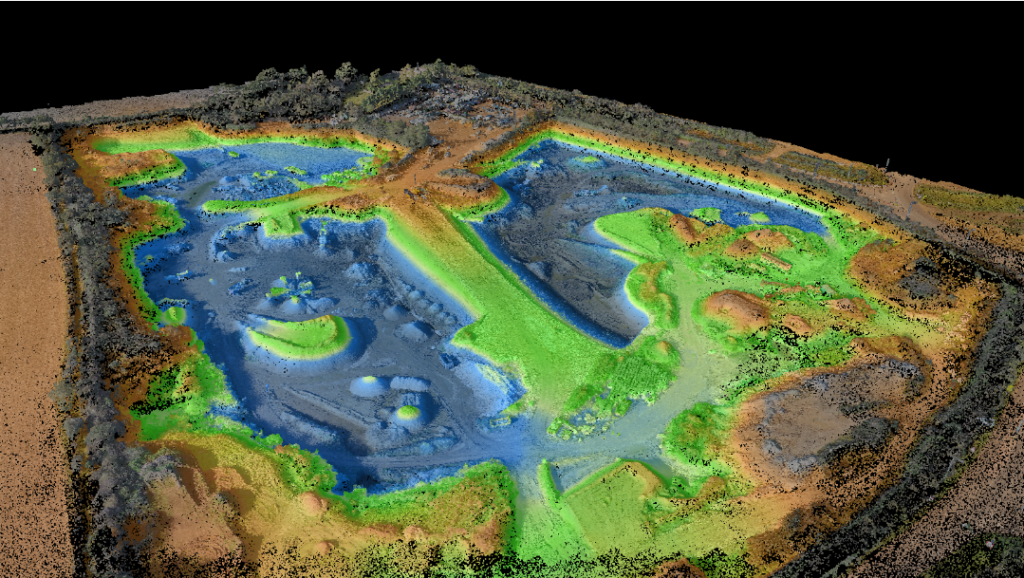
LIDAR has additionally changed the field, allowing for the development of intricate 3D models of the terrain. These models not only illustrate the shapes and features of the landscape but also provide information that can be applied into various software systems for evaluation and planning. The accuracy of laser scanning significantly reduces human error, ensuring that the information collected is trustworthy and can support complex constructions and landscape designs. As these technologies continue to progress, professionals are more capable to meet the requirements of an increasingly complex constructed environment.
Moreover, the combination of Geographic Information Systems (GIS) with terrain surveys enhances the ability to visualize and examine geospatial information. Geographic Information Systems allows for the management of large datasets, enabling developers and technicians to model different situations, consider ecological effects, and make educated choices. This technological synergy not only improves the accuracy of topographical assessments but also supports effective project management and adherence with standards. As advancement continues to shape the industry, the cost-effectiveness and value of topographical surveys are set to increase, encouraging greater partnerships across sectors and leading to more successful project outcomes.