Turning Muck into Gone: Mastering the Art of Unclogging Sinks


Clogged drains are an extremely common household nuisance that can disrupt our daily activities and lead to pricey repairs if neglected. Whether it’s your kitchen sink battling with grease buildup or your bathroom drain burdened by hair, knowing the causes and solutions is crucial for every homeowner. With the appropriate knowledge and tools, you can confront these irritations effectively and maintain a functional plumbing system.
In this piece, we will explore the 30 typical causes of clogged drains, key signs to watch for, and practical tips for stopping issues. We will also dive into the pros and cons of DIY approaches versus hiring a professional plumber, ensuring that you are well-equipped to choose the optimal course of action. From natural remedies to understanding the role of tree roots, we aim to arm you with the information needed to keep your drains running freely and your home operating smoothly.
Frequent Factors and How to Avoid of Clogged Drains
Obstructed drainage systems can often be linked to a number of common causes. Strands of hair is one of the primary contributors of clogs, particularly in bathroom sinks and shower drains. When washed down, hair can quickly get caught with soap scum and other debris, forming stubborn clogs. To prevent this, consider using drain covers or hair traps to trap hair before it sinks into the pipes. Regularly cleaning these screens will more minimize the risk of buildup.
Accumulation of grease is an additional frequent cause, particularly in kitchen sinks. When cooking fats, butter, or other greasy substances are disposed of the drain, they may solidify in the pipes as they cool down, leading to serious clogs. To avoid this problem, always throw away cooking grease in a separate container rather than pouring it down the sink. Hot water can help, but it should never be depended upon alone to clear grease; regular maintenance and mindful disposal are essential.
Moreover, external objects inadvertently washed down the drain often add to blockages. Items such as leftover food, paper products, and even small toys can create serious issues. To avoid https://precise-gull-pk2mtz.mystrikingly.com/blog/starting-with-grimy-toward-sparkling-refresh-your-drains-in-minutes caused by foreign objects, be careful of what goes down your drains. Use garbage disposals correctly and avoid putting down anything other than bathroom tissue in the bathroom. Regular inspections and maintenance can assist identify potential problems before they grow into major clogs.
DIY Approaches vs. Expert Help
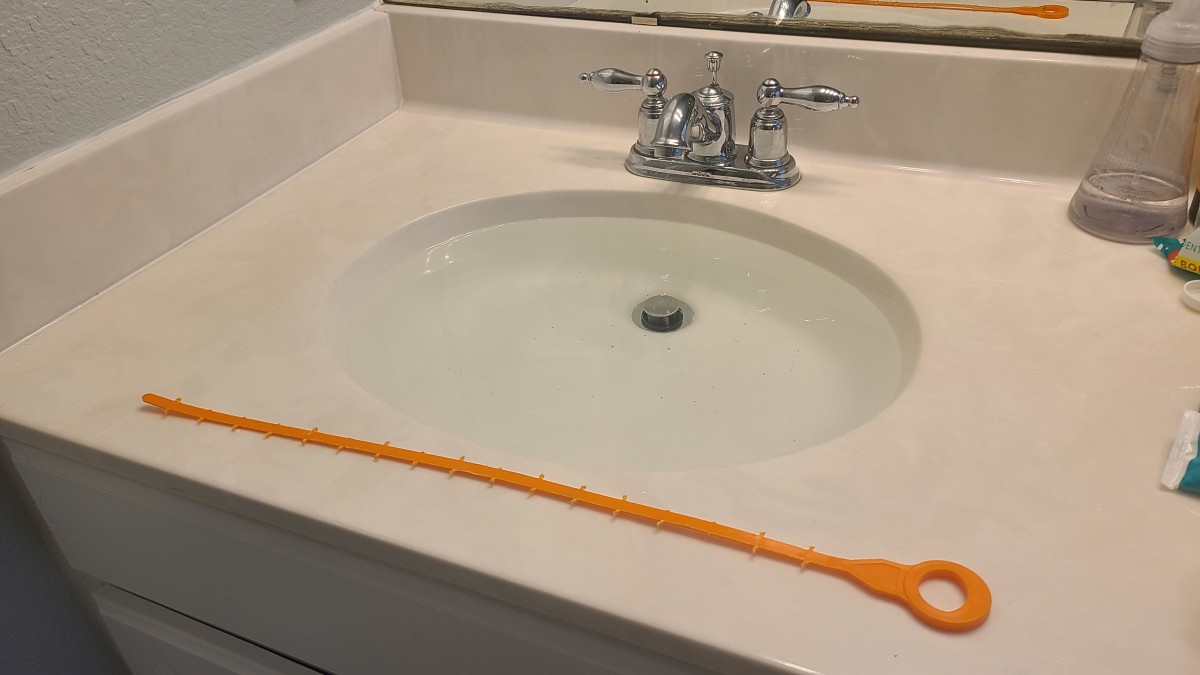
When it comes to clearing drains, many homeowners first consider DIY methods. These options often include using a hand-held plunger, a drain snake, or natural solutions like sodium bicarbonate and vinegar. DIY techniques can be effective for minor clogs caused by hair or soap buildup. They are typically low-cost and can prevent the need for expensive professional services, especially for individuals who enjoy tackling household repair tasks. However, it is essential to recognize their constraints, as ongoing or major blockages may require more than simple methods.
On the flip side, professional help offers skill and specific tools that can address complicated clogs. Plumbers are equipped with advanced technology, such as video inspection tools to diagnose problems hidden within the plumbing system and hydro jetting for stubborn blockages. For significant issues like root intrusions invading pipes or extensive grease buildup, engaging a qualified expert might be the safer and more effective route. While this approach incurs increased costs, the long-term benefits include saving time and preventing further damage to plumbing systems.
Ultimately, the choice between DIY methods and expert assistance depends on the severity and regularity of drain problems. For infrequent and minor clogs, DIY solutions can suffice. However, if clogs are frequent or complicated, seeking the knowledge of a qualified expert can provide peace of mind and restore proper drainage without the risk of causing more significant problems down the line.
Maintenance Tips for Clean Drainage Systems
Consistent upkeep is essential for keeping your drains healthy and stopping blockages. One proven strategy is to use a mixture of vinegar and baking soda monthly. This natural remedy not only helps to dissolve minor buildup but also deodorizes your pipes. Simply pour half a cup of baking soda followed by half a cup of vinegar into the drain, let it rest for about 30 minutes, and then flush it with hot water. This method can greatly reduce the likelihood of future clogs.
Another important tip is to be mindful of what goes down your drains. Avoid throwing away grease, large food scraps, or fibrous vegetables in your kitchen sink, as these can gather over time and lead to severe blockages. In bathrooms, consider using drain screens to keep hair and soap scum from entering the pipes. Educating your household about what is suitable for each drain can save you time and money in the end.
Lastly, regular check-ups of your drains can help you identify potential problems early. Look for slow-draining sinks or unusual odors, as these can be indicators of a developing clog. If you notice persistent issues, it may be time to consult a professional who can use tools like drain cameras to evaluate the problem correctly. By being proactive, you can maintain clear drains and avoid the nuisance of sudden clogs.