Unleashing Drone Information: Harnessing the Strength of Aerial Assessments


In recent years, the growth of drone technology has transformed multiple industries, offering groundbreaking solutions that enhance effectiveness and reliability. One area where drones have made a notable impact is in land surveying. Drone surveys provide a rapid, safe, and affordable method for obtaining aerial data, transforming how projects are planned and implemented across infrastructure, farming, ecological assessment, and beyond.
As more professionals acknowledge the advantages of drone surveys, the need for this cutting-edge technology continues to grow. From enhancing project design accuracy to ensuring safer inspections of hazardous sites, the applications of drone surveys are extensive and multifaceted. This article explores 30 compelling reasons to integrate drone surveys into your next project, demonstrating how they outperform traditional surveying methods while revealing new potential for data collection and evaluation. Whether you are in property management, civil engineering, or land development, understanding the advantages of drone surveys can provide critical insights that lead to better outcomes.
The Advantages of UAV Surveys
UAV surveys offer notable advantages over traditional surveying methods, primarily due to their efficiency and speed. With https://postheaven.net/mosquesheep54/sky-high-revolutionizing-land-analysis-via-drones to cover vast areas in a small portion of the duration it would take a team of surveyors on foot, drones can quickly gather vast amounts of data. This swift data collection is particularly essential in projects with tight deadlines, allowing stakeholders to receive information more quickly, thereby speeding up decision-making processes.
Another key advantage of drone surveys is their cost efficiency. By minimizing the need for extensive manpower and reducing the time spent on the field, organizations can allocate resources more effectively. Additionally, UAVs can access hard-to-reach or hazardous locations without the associated risks and costs of sending personnel into possibly dangerous areas. This not only saves money but also enhances safety for workers who might otherwise be exposed to unsafe environments.
Furthermore, UAV surveys provide high-quality, accurate data that is necessary for multiple applications, such as building, land development, and environmental monitoring. Equipped with advanced imaging technology, drones can capture detailed aerial imagery, topographical data, and even perform thermal imaging. This extent of detail enhances analysis, facilitates better planning, and supports informed decision-making across diverse industries, making drone surveys an indispensable tool for modern projects.
Comparing Drone Mapping versus Conventional Surveying Techniques
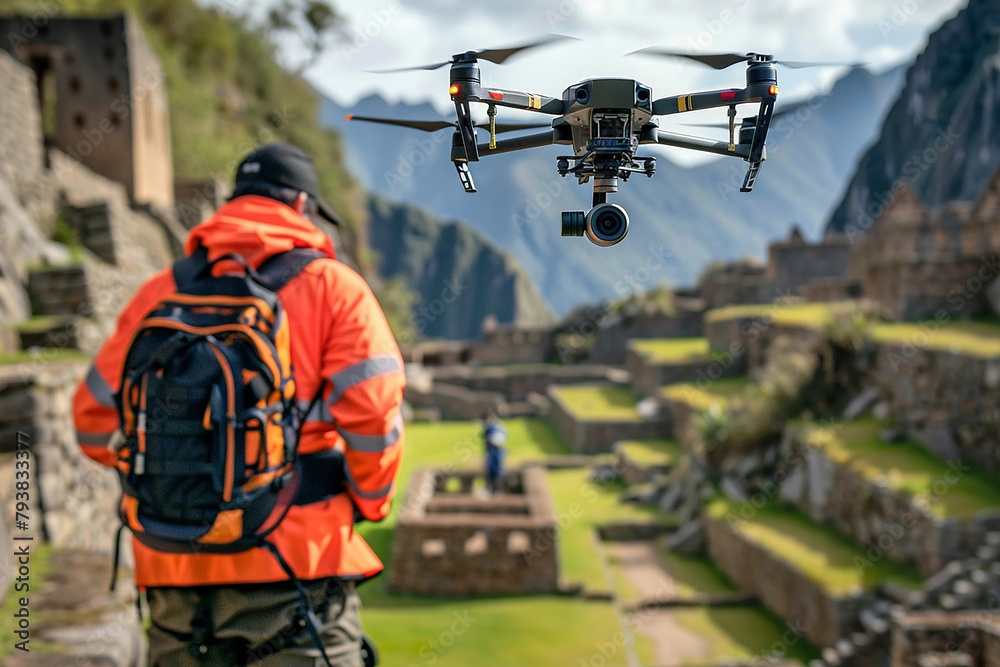
As evaluating drone surveys against traditional surveying methods, one of the primary advantages of data collection represents one of the most notable advantages that drones offer. Traditional methods often involve extensive groundwork, as surveyors needing to manually traverse the land to gather data. In contrast, drones can rapidly cover vast areas of land, capturing high-resolution images and detailed measurements more swiftly, which dramatically accelerates project timelines.
Cost-effectiveness is another critical factor. Traditional surveying often requires a more extensive crew, specialized equipment, and considerable fieldwork, causing higher labor costs and protracted project durations. Drone mapping, on the other hand, reduce the need for manual labor and equipment, which translates into cost savings for clients yet avoiding sacrificing quality. This reduction in project expenses makes drone technology an attractive choice for numerous industries aiming to maximize their budget.
Accuracy is paramount in surveying, and while traditional methods have long been relied upon for their precision, modern drone surveys have made significant advancements in this area. Equipped with sophisticated sensors, drones can generate highly accurate topographical maps and models. Additionally, the integration of photogrammetric methods facilitates enhanced measurement capabilities. This tech-driven evolution means that drones not only match the accuracy of traditional methods but often surpass them, notably in challenging environments where accessibility may be a challenge. ### Emerging Developments in Drone Survey Tech
The outlook of drone survey technology is poised for rapid advancement, supported by ongoing advancements in artificial intelligence and machine learning. With these technologies integrate with drone capabilities, we can look forward to increased automation in data processing and analysis. This will facilitate surveyors to quickly gather actionable insights from vast amounts of aerial data, significantly boosting project efficiency. In addition, AI can refine the reliability of modeling and predictions, facilitating more informed decision-making in various industries.
A significant development is the development of enhanced sensor technology. As drones become fitted with more sophisticated sensors, such as multispectral and hyperspectral cameras, their applications will widen beyond traditional land surveys. Topographic Surveys Oxford Oxfordshire will allow for more detailed environmental assessments, enabling better monitoring of ecological changes, agricultural health, and even urban planning. This capability will not only upgrade the quality of the surveys but also broaden their applicability across multiple domains.
Finally, regulatory frameworks are expected to evolve, allowing for increased drone usage in urban environments and densely populated areas. As governments worldwide recognize the benefits of drone technology, we can anticipate streamlined regulations that will make it more convenient for companies to deploy drones for surveying purposes. This shift will open new opportunities for industries such as real estate, infrastructure, and emergency response, ultimately leading to more data-driven and adaptive urban planning efforts.